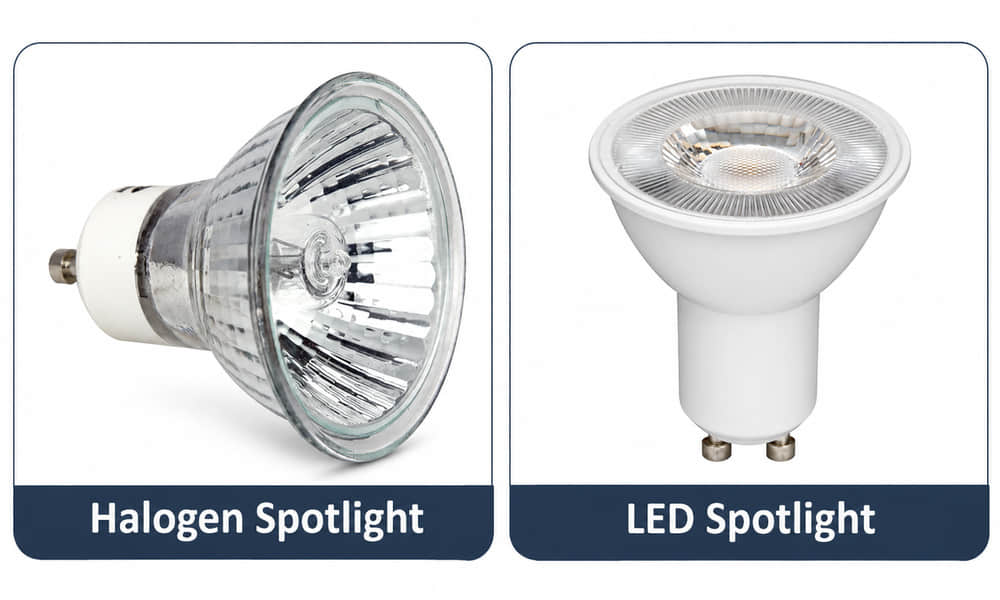
The main difference between halogen vs LED lighting is how electricity becomes light. A halogen lamp heats a tungsten filament, while an LED uses a semiconductor light source. For most commercial lighting projects, a well-designed LED system can deliver the required illumination with lower electrical input and more control options. However, changing the light source also changes the requirements for heat management, dimming, optics and maintenance.
For lighting manufacturers and project teams, the useful comparison is not simply which lamp uses fewer watts. It is which complete system meets the lighting task, works with the installation and remains practical to operate and maintain.
Halogen vs LED: The Main Project Differences
| Comparison | Halogen Lighting | LED Lighting |
|---|---|---|
| Light generation | A heated filament produces visible light together with substantial infrared radiation. | A semiconductor produces light; white-light systems commonly use phosphor conversion or color mixing. |
| Electrical input | Generally requires more power for a comparable illumination task. | Can reduce system power, depending on output, optical distribution and operating conditions. |
| Thermal design | Radiant heat and high lamp temperatures affect the fixture and nearby objects. | Heat must be transferred away from the LED and electronics through the thermal structure. |
| Color and dimming | The light normally becomes warmer as the filament is dimmed. | Fixed-white, dim-to-warm and tunable-white behavior depend on the selected system. |
| Maintenance | Usually involves replacing a failed filament lamp. | May involve the light source, driver, connections, optics or complete luminaire. |
| Project cost | Evaluate lamp replacement, electricity and maintenance access. | Evaluate installation changes, electricity, component serviceability and replacement support. |
The U.S. Department of Energy’s LED technology guidance distinguishes the efficiency of the LED device from the performance of the complete lighting product. Driver losses, optical design and operating conditions all influence the result delivered by a finished luminaire.
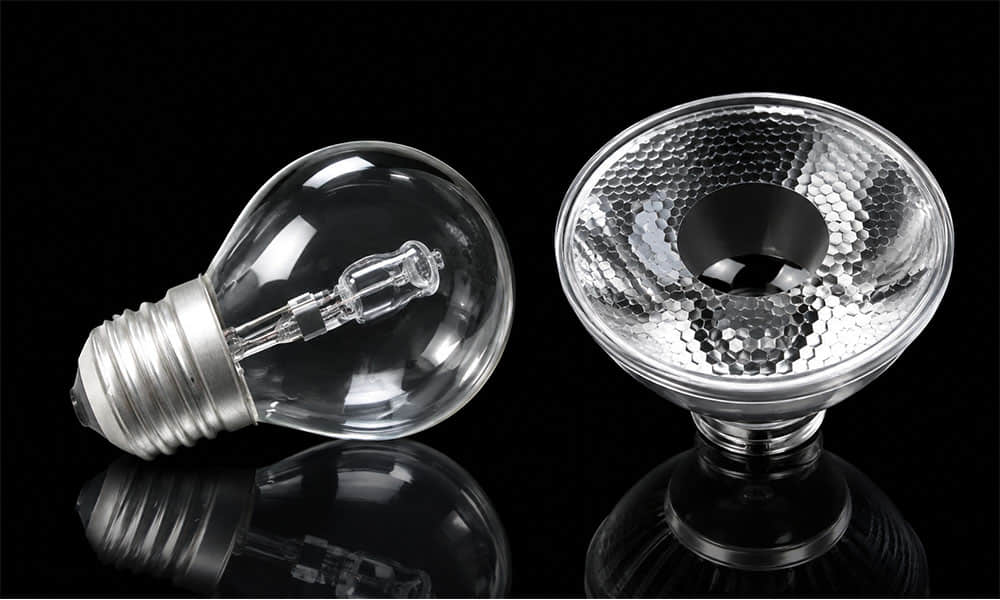
Are LED Lights Brighter Than Halogen?
Neither technology is automatically brighter at the point that matters. The answer depends on total output, light distribution, distance and the surface being illuminated.
An LED product can produce more total lumens yet provide less illumination on a particular display. Another can use fewer lumens but direct a larger share of its output onto that object. This is why a wattage-equivalence label is not enough to establish a successful replacement.
For directional lighting, compare the intended effect rather than rebuilding the decision around one number. Our guide to LED spotlights vs halogen and matching beam quality explains how to assess target illumination, beam transitions and unwanted surrounding light.
Calculate Energy Use at the System Level
Compare electricity consumption only after confirming that both options meet the same lighting requirement. A lower-power product is not an equivalent solution if it leaves part of the required area underlit.
For a constant operating condition:
Annual electricity use (kWh) = Number of fittings × System input power (W) × Annual operating hours ÷ 1,000
Use input power measured at the supply side of the complete system. Where applicable, this includes the halogen transformer or LED driver, rather than only the lamp or LED module.
- Check fixture quantity: If the proposed design changes the number of fittings, calculate each installation separately.
- Use realistic operating hours: A continuously occupied space has a different energy case from an occasionally used display.
- Account for operating scenes: For dimmed or scheduled systems, calculate the energy used in each scene using appropriate input-power data.
Multiply the resulting kWh by the applicable electricity tariff to estimate energy cost. Do not assume that a dimmer’s percentage setting produces the same percentage reduction in electrical input.
Less Radiant Heat Does Not Mean No Thermal Design
White LED sources generally emit much less infrared radiation in the light beam than halogen filaments. This can be useful near merchandise or other temperature-sensitive objects. It does not make an LED luminaire heat-free.
Heat generated in the LED and driver must move through the PCB, thermal interfaces, housing or heat sink and into the surrounding environment. A compact enclosure with poor heat transfer can limit performance even when the new light source consumes less power.
Separate two questions during evaluation:
- What happens at the target? Assess the actual temperature and exposure of the illuminated object where relevant.
- What happens inside the fixture? Confirm LED, driver and material operating temperatures under the intended ambient and installation conditions.
A lower lighting load may reduce heat added to a space, but a fixed cooling-energy saving should not be assumed. The building’s operation and HVAC system determine the wider effect.
Specify Color and Dimming as Separate Requirements
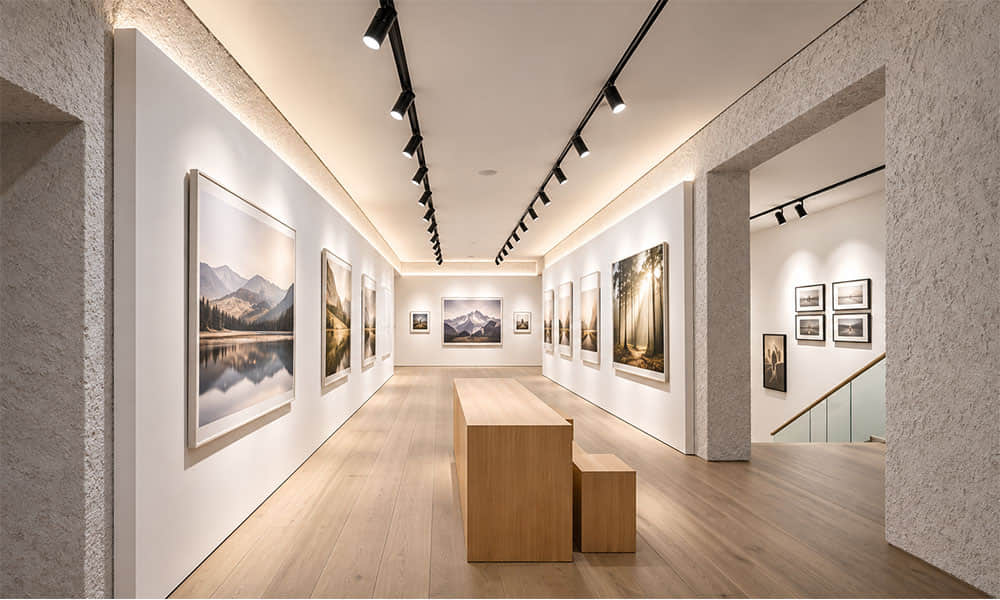
Choosing a warm-white LED is not the same as reproducing halogen behavior. There are two separate decisions: how the light should look at its normal output, and how it should change when dimmed.
Matching correlated color temperature does not guarantee identical color rendering. For displays, hospitality interiors or other appearance-sensitive settings, review representative materials under the proposed lighting rather than approving a source solely from its CCT and CRI labels.
For dimming, distinguish between:
- Fixed-white dimming: Reduces output while aiming to keep the light color approximately constant.
- Dim-to-warm: Intentionally lowers color temperature as output decreases.
- Tunable white: Provides adjustable white-light color, with intensity and color control depending on the system.
The Department of Energy’s guide to color-tunable LED products explains these different control behaviors. If the desired effect is the warmer appearance of dimmed halogen, specify and evaluate a suitable dim-to-warm system instead of assuming that any dimmable LED will reproduce it.
Also confirm the intended lamp, driver, transformer and control combination with the relevant manufacturer. Optical quality cannot correct an incompatible electrical control system.
Compare Maintenance Needs, Not Just Rated Hours
LED lighting can reduce routine lamp replacement, but the maintenance plan should cover the complete product. A functioning LED package does not prove that its driver, connections or secondary optics will remain serviceable for the same period.
Halogen lamp life and LED lumen-maintenance claims may also describe different endpoints. A filament-lamp rating and an LED L70 figure should not be treated as directly interchangeable measures of complete luminaire life.
Before selecting a product, establish:
- Which components can be replaced without replacing the entire luminaire.
- Whether replacement drivers, light engines or optical components will be available.
- What access equipment, labor and disruption a repair would require.
- Whether the stated maintenance data applies to the intended operating conditions.
For an installation already showing reduced output, assess operating hours and comparable measurements before deciding what to replace. Our article on evaluating LED brightness loss over time explains why calendar age alone cannot establish the amount of deterioration.
Choose Between Replacement and Redevelopment
The next step depends on whether the project needs a suitable finished replacement lamp or a newly developed lighting system.
For an Existing Installation
A compatible finished LED replacement may be the simplest route when it provides the required light and is suitable for the fixture, controls and thermal environment. Confirm that combination before committing to a full installation.
If no suitable replacement preserves the required performance, compare a dedicated LED luminaire with the cost and constraints of retaining the old equipment. Keeping an existing housing is not automatically the lowest-cost complete solution.
For a New OEM Luminaire
Develop the LED source, driver, thermal structure and optics together. Treat the required illumination, available space and operating environment as design inputs, rather than selecting an LED by nominal halogen-equivalent wattage and solving the remaining issues afterward.
Include purchase and installation costs, electricity, expected maintenance and service access in the commercial comparison. A universal payback period cannot be calculated from lamp price or rated life alone.
Start Optical Selection with the Lighting Requirement
For manufacturers developing an LED luminaire, Asahi Optics can assess existing lens options around the intended source and lighting task. Send the LED part number, target area, working distance or mounting geometry, and available optical space. Existing drawings or photometric data are useful when available.
Request an optical compatibility review to identify candidate existing lenses, evident source or mounting constraints, and the information needed for the next evaluation step.