
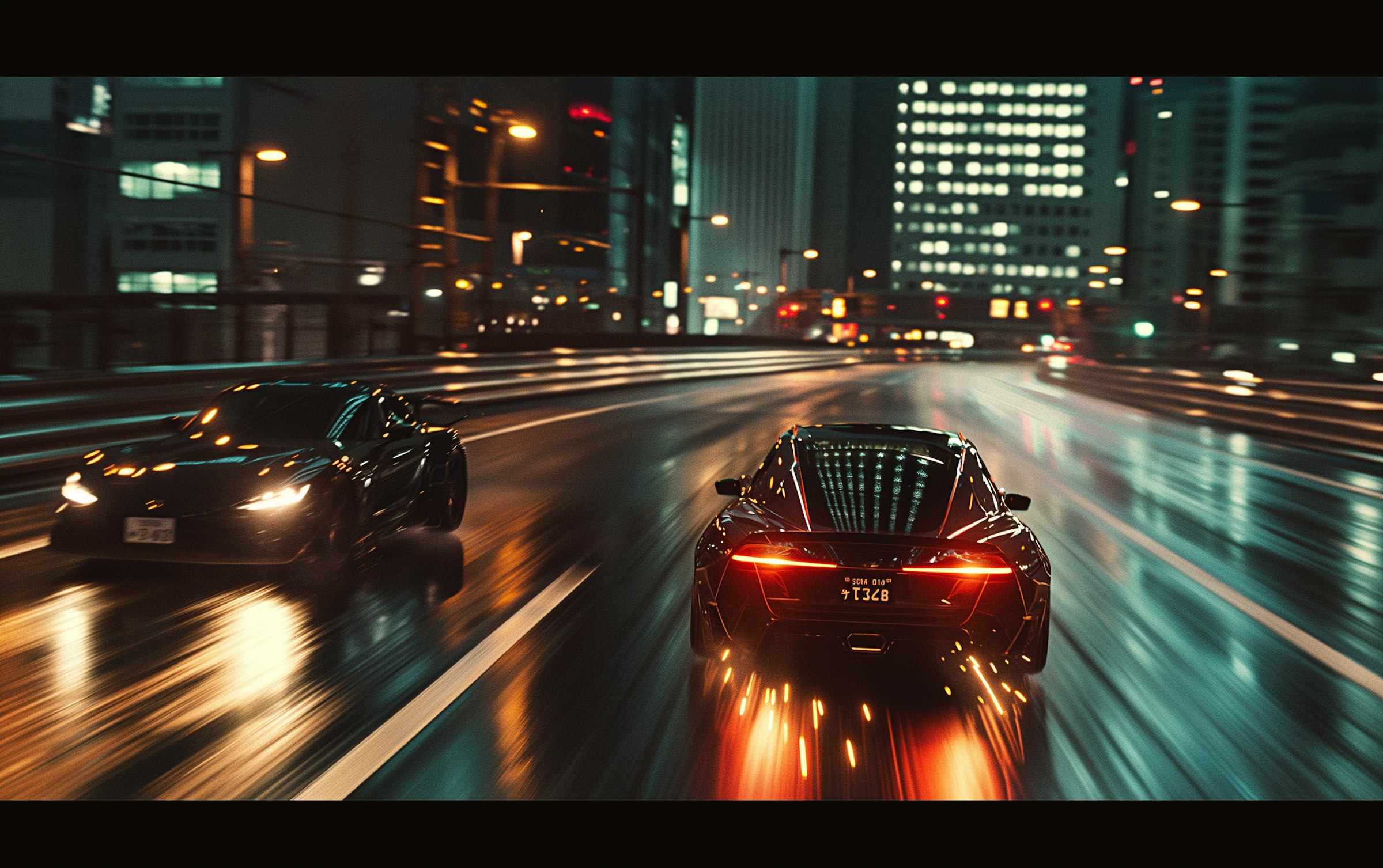
Automotive Lighting

Automotive Lighting

Asahi Optics has developed and applied in the field of automotive lighting, ensuring that both headlights and interior lighting can provide better lighting and ensure the safety of drivers.

Why Choose Asahi Automotive Lighting Led Lenses

Asahi Optics' high-performance LED lenses are tailor-made for automotive lighting applications. From headlights and taillights to interior lighting, our products ensure optimal visibility, energy efficiency, and aesthetics in modern vehicles.

Enhanced Visibility

In automotive lighting, clear and focused illumination is essential for safety. Our LED lenses provide precise light distribution, ensuring excellent driver visibility in all road and weather conditions while minimizing glare for oncoming vehicles.

Energy Efficiency

Asahi Optics' automotive lighting lenses strike a balance between performance and energy consumption. Light output is optimized while power consumption is reduced, increasing vehicle efficiency and supporting sustainability without compromising brightness.

Custom Designs

Asahi's LED lenses are available in a variety of beam angles, shapes, and optical patterns, customizable to the specific needs of each unique automotive application, whether it's a compact headlight, wide-angle fog lamp, or stylish interior lighting.
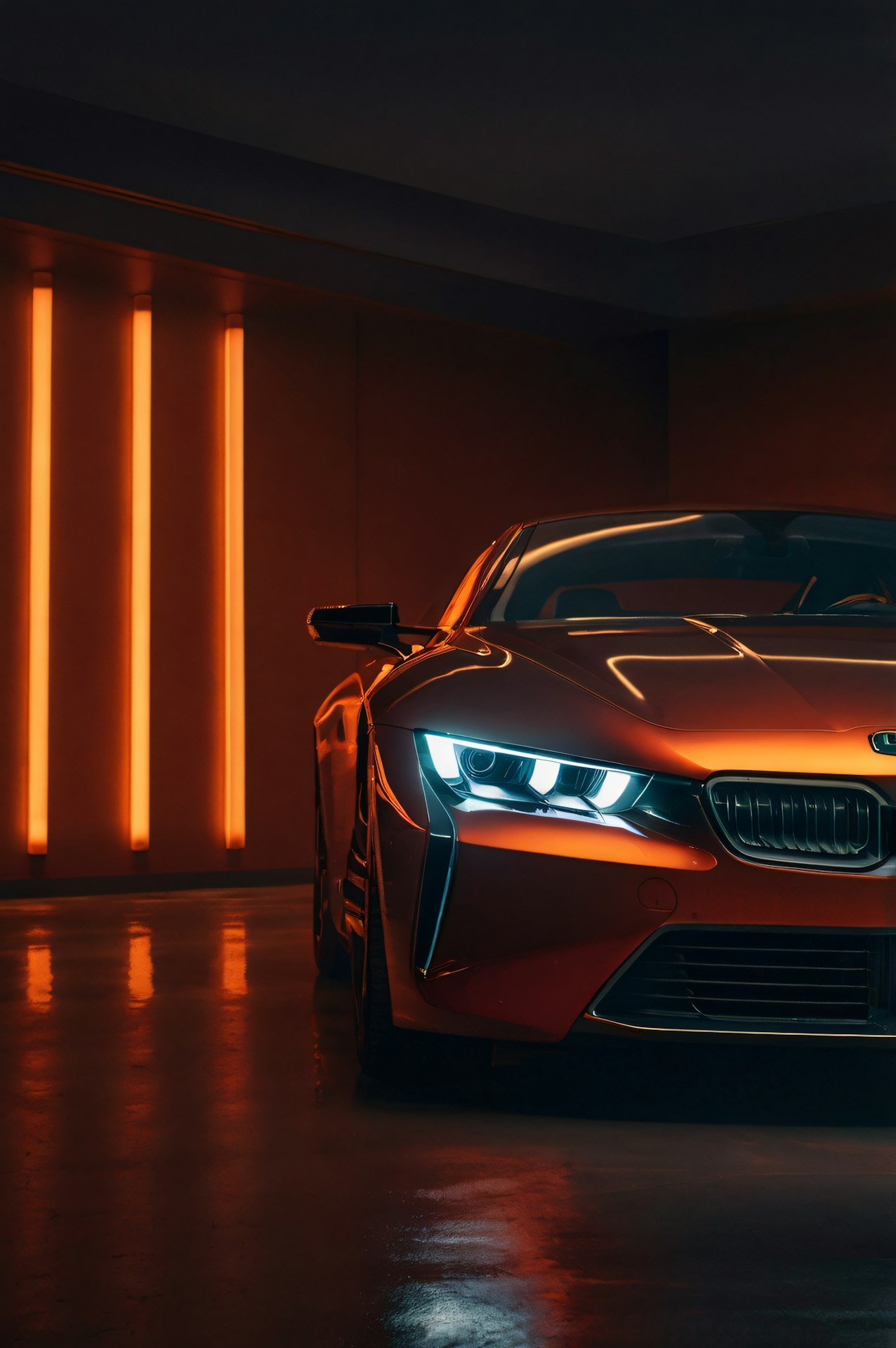
Car headlights

Move Towards Efficient Reliable LED Automotive Lighting Lenses

Start Now

Explore Our Automotive Lighting Range

Headlight Optics

Headlight Optics


Headlight optics transform the concentrated output of an LED into a controlled beam that helps drivers detect the road, lane boundaries, pedestrians and potential obstacles. In an automotive headlamp, producing more light is only part of the task. That light must also reach the required areas without creating excessive glare for oncoming traffic.

The final beam pattern depends on the complete optical system, including the LED emitting surface, primary optic, secondary lens or reflector, cutoff structure, PCB position and mechanical housing. Small changes in the position or geometry of any of these components can alter the hotspot, cutoff line and overall light distribution.


Learn more

Automotive taillight lighting

An automotive taillight must communicate clear signals to drivers and other road users behind the vehicle. It also contributes to the vehicle’s visual identity through illuminated lines, three-dimensional patterns and recognizable lighting signatures. Achieving both goals requires more than placing LEDs behind a red cover. The light must be collected, distributed and controlled by a properly designed optical system.

Automotive taillight optics may include individual LED lenses, lens arrays, reflectors, light guides, diffusers, thick-wall optics and micro-structured surfaces. These components help control luminous intensity, viewing-angle coverage, uniformity and the appearance of the lamp in both its illuminated and unlit states.

Learn more
Automotive taillight lighting
Automotive Turn signal lights optics

Automotive Turn signal lights optics

Turn signal lights communicate a driver’s intention to turn or change lanes to other road users. For this signal to be recognized quickly, the emitted light must remain visible across the required viewing directions and under different ambient conditions. A bright LED alone cannot provide a controlled automotive signal. Its light must be collected and distributed by a suitable optical system.

Automotive turn signal optics may include individual lenses, lens arrays, reflectors, light guides, diffusers and micro-structured optical surfaces. These components determine the luminous intensity distribution, illuminated appearance, viewing-angle coverage and separation from adjacent lighting functions.

Learn more

Automotive ambient lights optics

Automotive ambient lighting optics control how LED light is collected, transferred and distributed throughout a vehicle interior. They help transform small point-source LEDs into soft illuminated lines, discreet accent lighting or evenly lit decorative surfaces. Typical locations include the dashboard, door trim, center console, footwell, storage compartments and roofline.

A successful car ambient lighting system depends on more than LED color and electronic controls. The coupling lens, light guide, diffuser, surrounding mechanical structure and interior materials all influence the final appearance. If these elements are not matched correctly, the system may show visible LED dots, brightness variations, color separation or distracting reflections.

Learn more
Automotive ambient lights optics

Contact Us for More Information

Asahi Optics welcomes your questions, inquires and feedback. Please use the form below or contact us at any of the addresses below.  Our sales team will get back to you shortly.

Sign up for our news

© 2010 - 2026 Asahi Optics All rights reserved