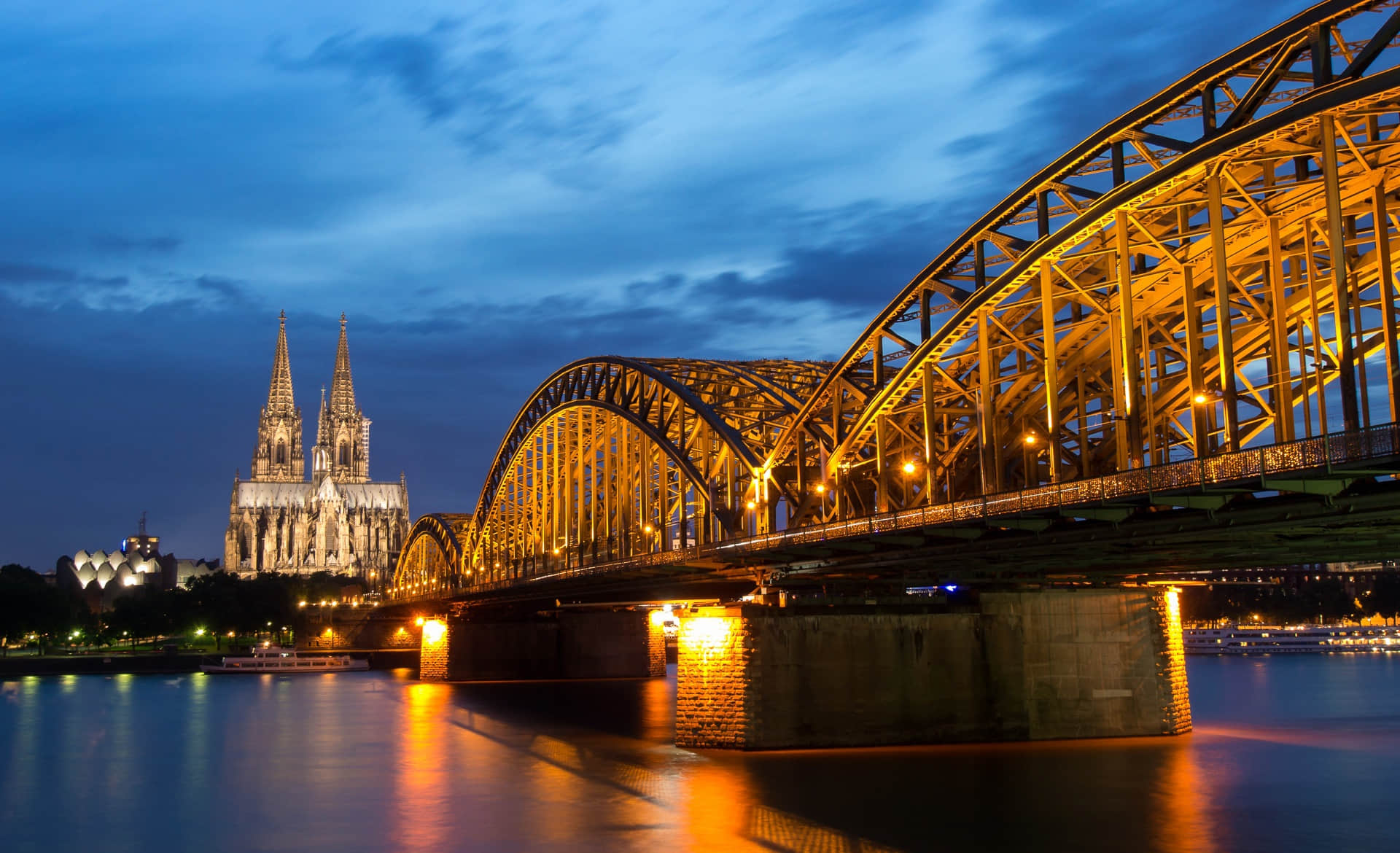
Architectural and landscape lighting is far more than the mere functional act of banishing darkness; it is the true art of nocturnal placemaking. When the sun goes down, artificial light becomes the most powerful medium for architects and landscape designers to sculpt spaces, evoke emotions, and tell a compelling visual story. A well-executed lighting scheme breathes a second life into inanimate structures, transforming cold concrete facades into majestic, textured canvases and turning dark, unwelcoming gardens into enchanting extensions of our living spaces.
Today, the boundaries between the built environment and the natural world are constantly blurring. Modern lighting philosophies challenge us to connect humans with nature through light, all while respecting the delicate nocturnal ecosystem. However, a visionary lighting sketch remains nothing more than a beautiful concept without the precise engineering tools to execute it.
The Role and Purpose of Architectural & Landscape Lighting
To truly master outdoor illumination, lighting designers and manufacturers must look beyond raw lumen output and understand the profound psychological and aesthetic purposes of light. When applied correctly, light acts as a visual conductor, orchestrating how we perceive a space after dark. It serves three distinct but interconnected masters: the architecture, the surrounding landscape, and the people experiencing it.
1. Highlighting Architectural Form, Texture, and Identity
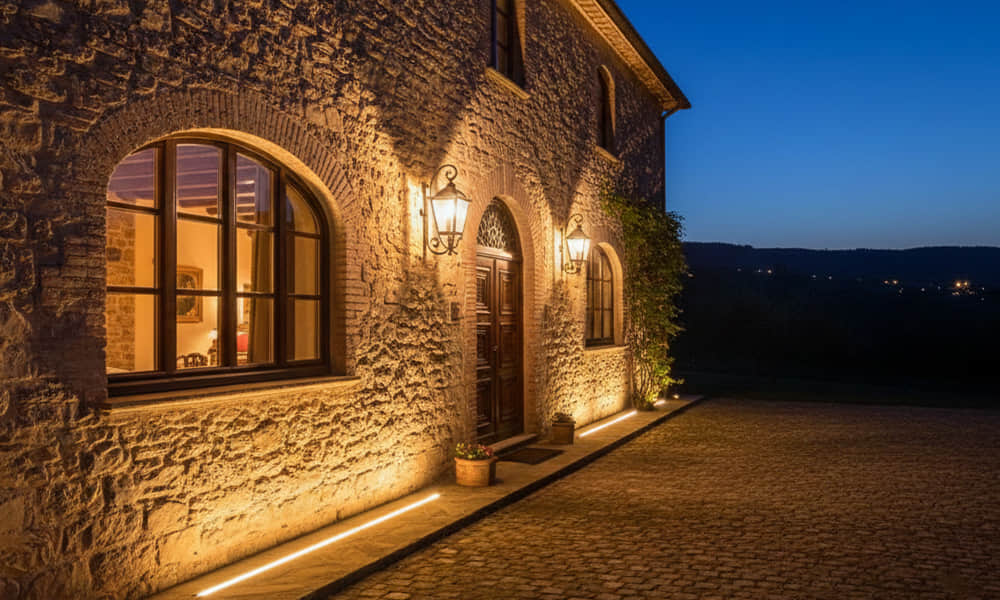
During the day, the shifting sunlight dictates how a building looks. At night, the lighting designer takes absolute control. The primary role of architectural lighting is to establish a nocturnal identity—a captivating second life for the structure. It is about emphasizing structural beauty and material truth. This might mean using precise, wide-angle floodlighting to showcase the imposing, geometric scale of a modern commercial facade. Alternatively, it could involve intimate wall grazing techniques, where light is pushed tight against a surface to catch every imperfection, revealing the rugged, tactile reality of historical masonry, wood, or textured stone.
2. Creating Depth and Layering in the Landscape
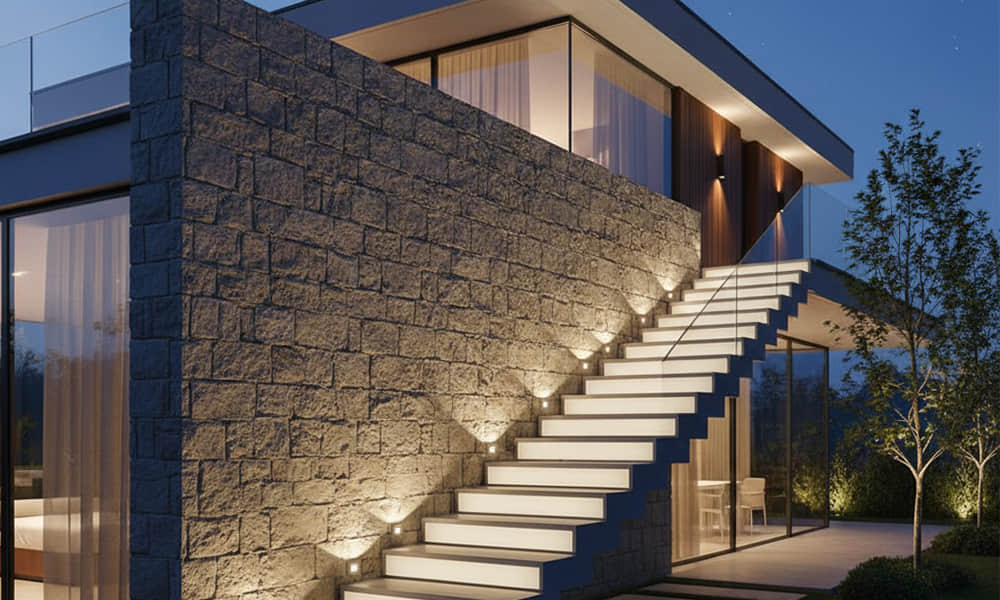
Without landscape lighting, the outdoors at night often feels like an impenetrable, claustrophobic wall of darkness. The core purpose of illuminating the landscape is to shatter this barrier by creating spatial depth and visual layering. By strategically highlighting focal points in the distance—such as the majestic canopy of a mature tree, an architectural retaining wall, or a subtle water feature—designers pull the viewer's gaze outward. This layered approach expands the perceived boundaries of a property, creating a seamless, harmonious transition between the rigid geometry of the building and the organic, flowing lines of nature.
3. Setting the Mood and Humanizing the Space
The most critical role of outdoor lighting is inherently psychological: setting an emotional tone and providing a sense of comfort. While physical safety and security are non-negotiable baselines, high-end illumination strives for much more. It utilizes warm, tightly controlled pools of light to make expansive, intimidating outdoor plazas feel intimate and welcoming. It guides pedestrians intuitively along winding pathways without subjecting them to harsh, anxiety-inducing glare.
The Rise of Biophilic Lighting Design
The most exciting frontier in modern outdoor illumination is the rapid rise of biophilic design. Rooted in the innate human desire to connect with the natural world, biophilic lighting abandons harsh, artificial aesthetics in favor of mimicking organic light patterns.
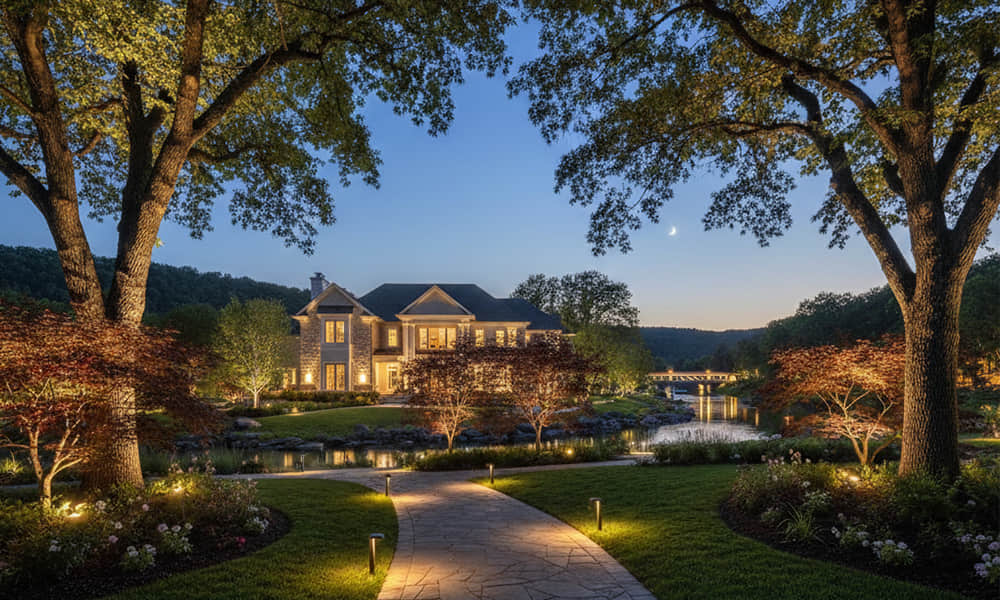
A quintessential example of this is the moonlighting technique. Historically, landscape lighting relied heavily on aggressive up-lighting from the ground, which often creates unnatural, eerie silhouettes and severe glare. In biophilic design, fixtures are strategically mounted high within the branches of a tree, aimed downward. The light gently filters through the canopy, casting soft, dappled shadows on the pathways below. This approach perfectly replicates the serene, comforting glow of a full moon.
Crucially, true biophilic design also mandates deep respect for the nocturnal ecosystem. This aligns perfectly with Dark Sky Compliance. By meticulously controlling light distribution—ensuring zero upward light spill and eliminating light trespass—designers protect the natural circadian rhythms of local wildlife and preserve humanity's view of the stars.
Maintenance and Safety in the Wild
However, achieving these breathtaking, nature-inspired effects introduces severe engineering challenges. Architectural and landscape fixtures do not operate in climate-controlled rooms; they must survive in the wild.
Fixtures are constantly subjected to torrential rain, freezing thermal shock, and relentless UV radiation. When a light is mounted 50 feet high in a tree for a moonlighting effect, or permanently embedded into a concrete pedestrian plaza, maintenance becomes an astronomical expense. If a cheap optical lens yellows from sun exposure—which drastically alters the color temperature (CCT) —or cracks and allows water ingress, the entire biophilic illusion is ruined.
Replacing a failed unit is a logistical nightmare. Therefore, guaranteeing long-term safety and durability is just as critical as the initial optical performance. For lighting manufacturers, the mandate is clear: you must utilize premium, weather-resistant components that ensure the designer's delicate vision survives for decades.
Delivering the Vision: Architectural Lighting Single Lenses
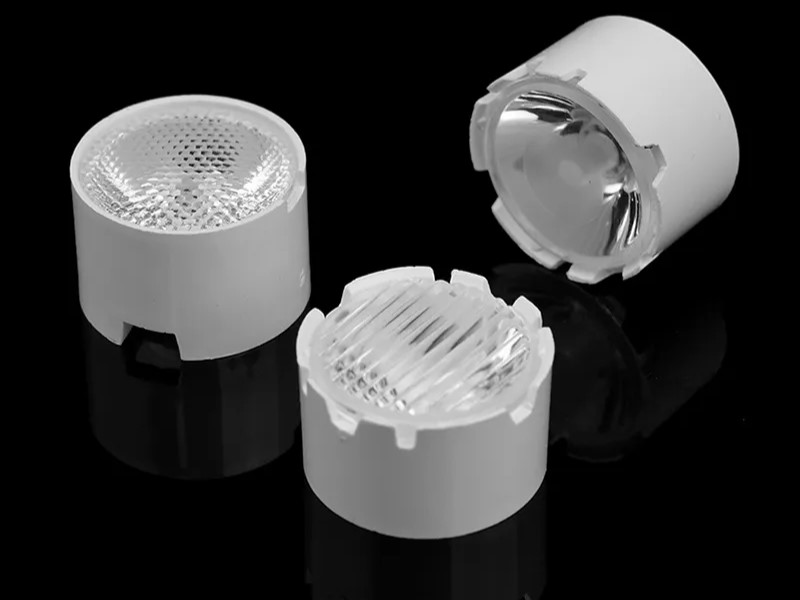
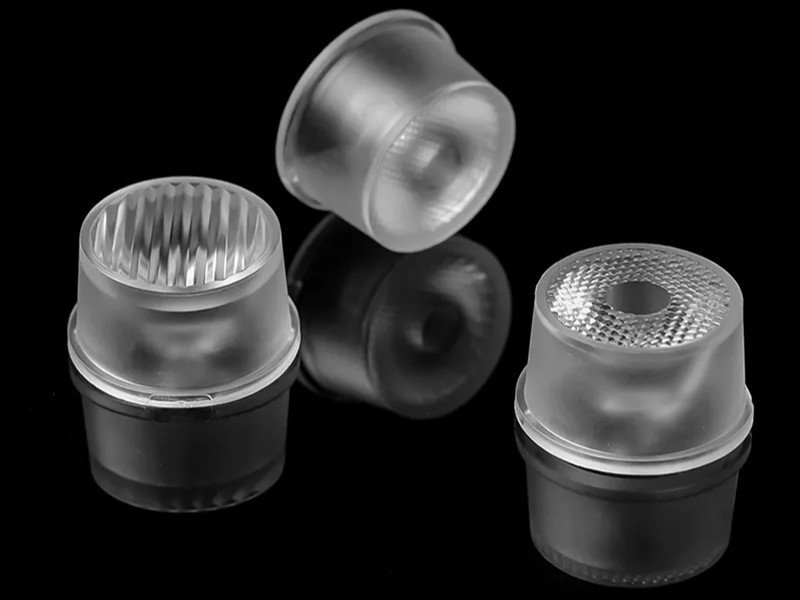
To translate visionary concepts like biophilic design and Dark Sky compliance into physical reality, fixture manufacturers require ultimate flexibility. This is where the true power of the Architectural Lighting Single Lens emerges. Unlike bulky, one-size-fits-all optics, single lenses allow engineers to build incredibly compact, modular, and easily concealable fixtures that seamlessly hide within masonry or foliage.
Asahi Optics has engineered a specialized portfolio of single lenses to meet these exact demands.
1. Precise Optical Design for Every Scenario
Whether the goal is to project a focused beam up a towering skyscraper or softly illuminate a wide garden path, precision is paramount. Asahi provides an expansive range of 10° to 120° adjustable beam angle lenses. A tight 10° lens acts as a precise optical tool, perfect for high-contrast wall grazing or illuminating tall columns without lateral light spill. Conversely, a wide 120° lens is ideal for creating those soft, biophilic moonlighting effects through tree canopies. This targeted precision guarantees strict Dark Sky compliance.
2. Anti-Environmental Interference
To solve the severe maintenance nightmares of outdoor environments, Asahi's lenses are manufactured using premium, UV-resistant materials. This crucial technology actively prevents the outdoor lenses from yellowing, turning brittle, or degrading under relentless sun exposure. By maintaining pristine optical clarity and preserving the true CCT over decades, these lenses drastically reduce the lifetime maintenance costs of hard-to-reach fixtures.
3. A Tailored Optical Arsenal
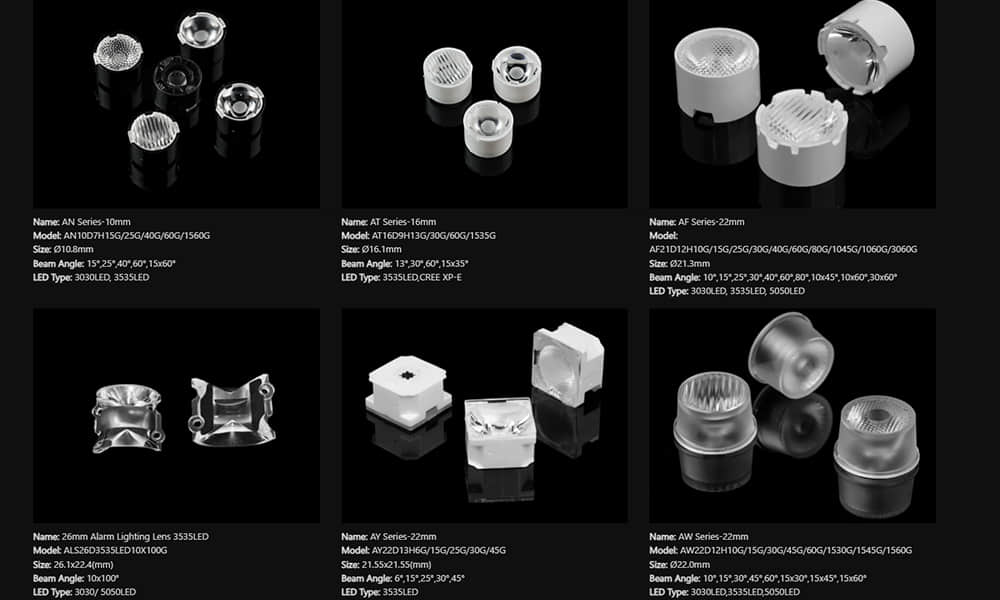
Understanding the diverse technical requirements of the architectural market, Asahi recommends our featured high-performance product lines:
-
The AF Series & AW Series: Highly versatile optics designed for dynamic facade lighting and robust outdoor environments.
-
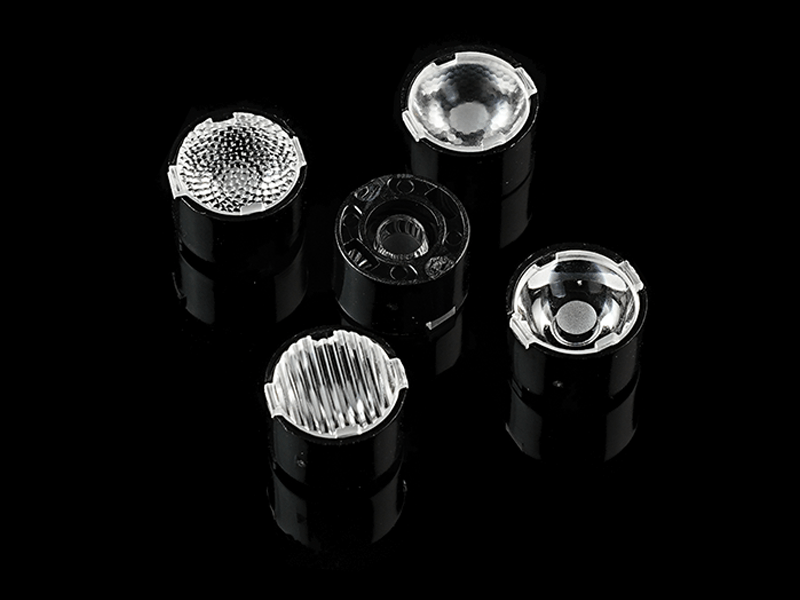
The 10mm AN Series: Ultra-compact single lenses specifically engineered for miniaturized fixtures, allowing designers to easily conceal lights in tight architectural niches.
-
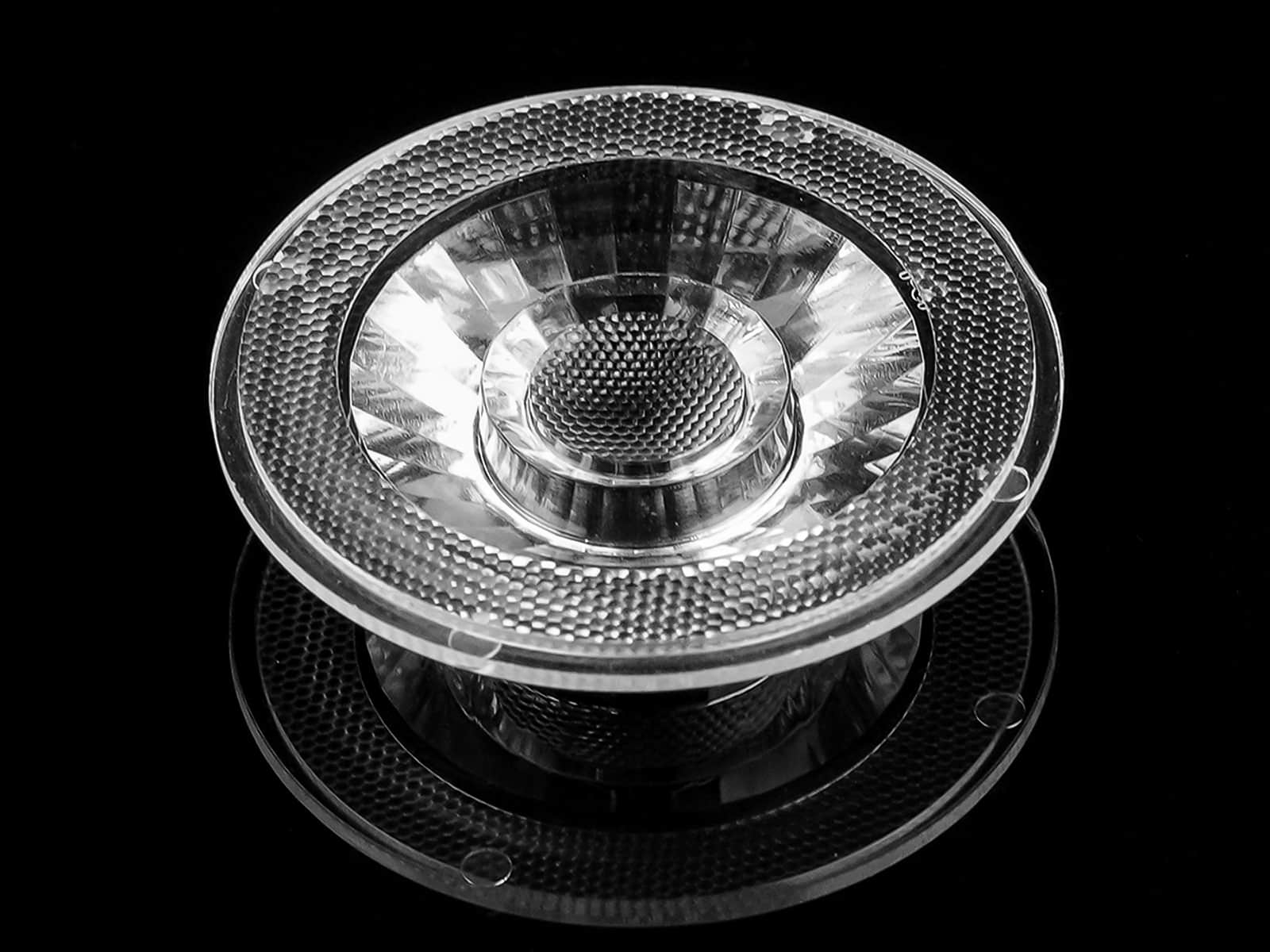
ADCOB43D11H: A high-output optic tailored for COB LEDs, delivering intense, focused illumination for grand architectural focal points.
4. Engineered for Customization
Because no two buildings or landscapes are identical, standard optics sometimes fall short. Asahi embraces this reality by offering comprehensive customization designed exactly according to customers' actual application scenarios.
Conclusion
In the end, great architectural lighting doesn't compete with design—it completes it. It is the invisible, guiding force that shapes our emotional connection to the built and natural world after the sun goes down. Achieving this delicate balance requires far more than just bright LEDs; it demands the absolute control, enduring durability, and versatile performance of premium optical components.
By merging artistic vision with cutting-edge optical innovation, Asahi lenses empower lighting manufacturers and designers to illuminate the world boldly, efficiently, and responsibly. When you choose the right single lens, you don't just light a space—you bring a masterpiece to life.