We all know that unlike other indoor lighting, single color distortion or flickering may invalidate working hours, so laboratory lighting must meet strict scientific needs.
Why Laboratory Lighting is Non-Negotiable
Medical laboratories rely on lighting that goes beyond “brightness.” Here’s why it matters:
- Accuracy Over Everything: Misjudging a sample’s color under poor lighting could mean misdiagnosing a disease or contaminating a drug batch.
- Safety First: Harsh glares or shadows increase the risk of spills or errors when handling toxic chemicals or fragile instruments.
- Regulatory Compliance: Labs must adhere to standards like ISO 14644 (cleanrooms) or CLIA (diagnostic labs), where lighting specifications are strictly defined.
How Precision Lenses Transform Ordinary LEDs into Lab-Grade Tools
We all know that LEDs can reduce energy consumption and improve light utilization, but what you may not know is that their true potential in the laboratory is unlocked through LED lenses.
- Safety: Lab environments involve frequent cleaning with alcohol, bleach, or acids. Our lenses use corrosion-resistant materials (e.g., coated PMMA or quartz) that won’t cloud or crack, even after years of exposure.
- Environmental Adaptability: Sealed lens housings prevent moisture or particles from entering, critical for biosafety cabinets or sterile cleanrooms
- Color Temperature Control——Tunable White Light: Cold light (5000–6500K) enhances contrast for microscopy, while warm light (3000–4000K) reduces eye strain during long shifts.
- Eliminating "Color Drift": Cheap LEDs shift color over time, skewing results. Our lenses stabilize light output, ensuring consistent color rendering for years.
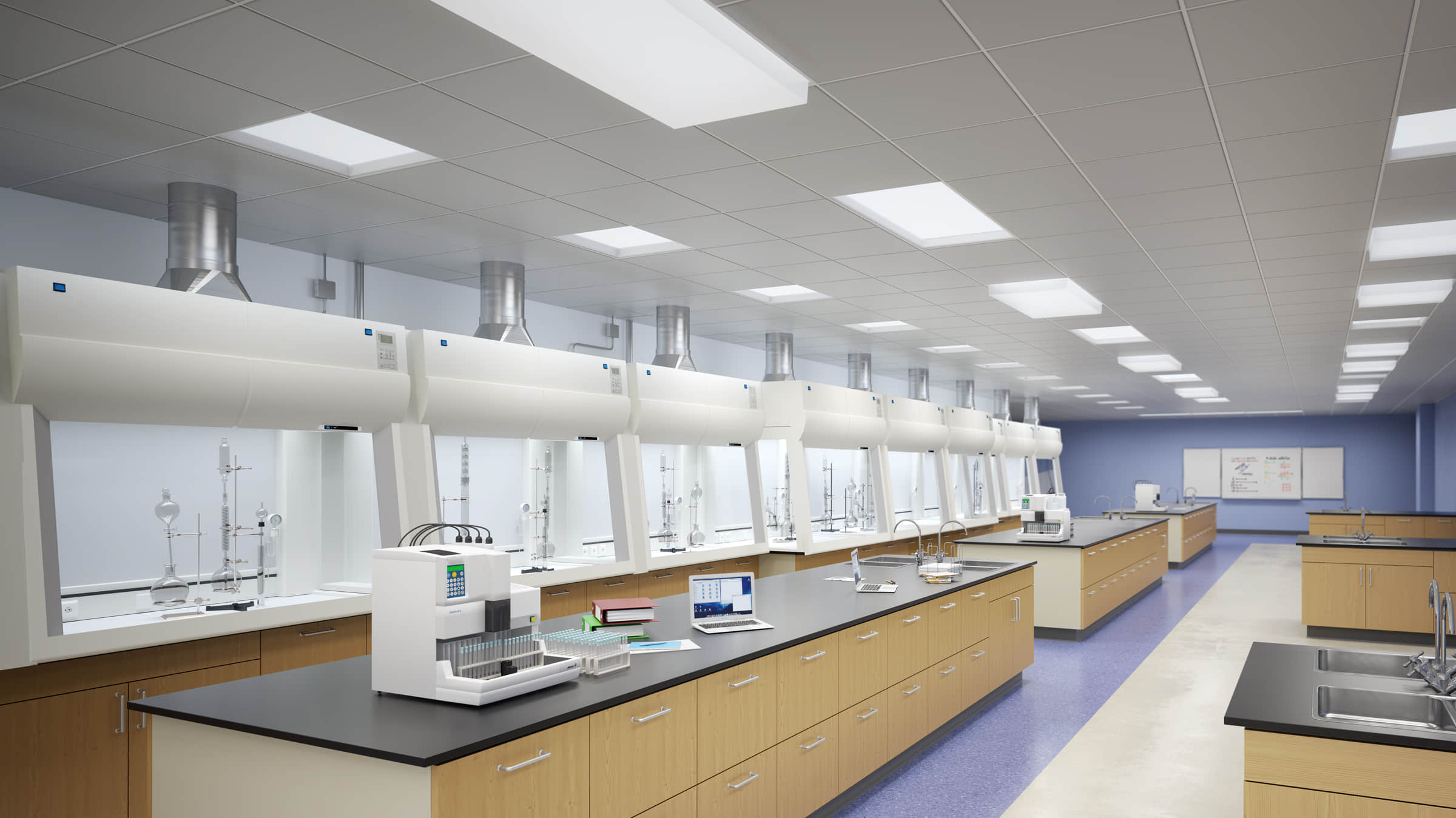
How to choose the right laboratory lighting system
- Certifications: Look for IEC 62471 (photobiological safety) or ISO-compliant designs.
- Modularity: Systems that allow easy lens swaps for evolving lab needs.
- Vendor Expertise: Partners who understand lab workflows, not just lighting specs.
- Match with qualified LED lens: It is not just about assembling a lens on the LED, but also requires a high-specification lens product that meets laboratory standards, such as the lens of Asahi Optics
By integrating precision-engineered LED lenses, labs eliminate variables that compromise data, protect costly samples, and empower researchers to focus on discovery. Our lens technology bridges the gap between “good enough” and “lab-grade,” turning light into a trusted ally for scientific excellence.